Fire Alarm Systems Designing, Supply, Installation, Maintenance and Approvals.
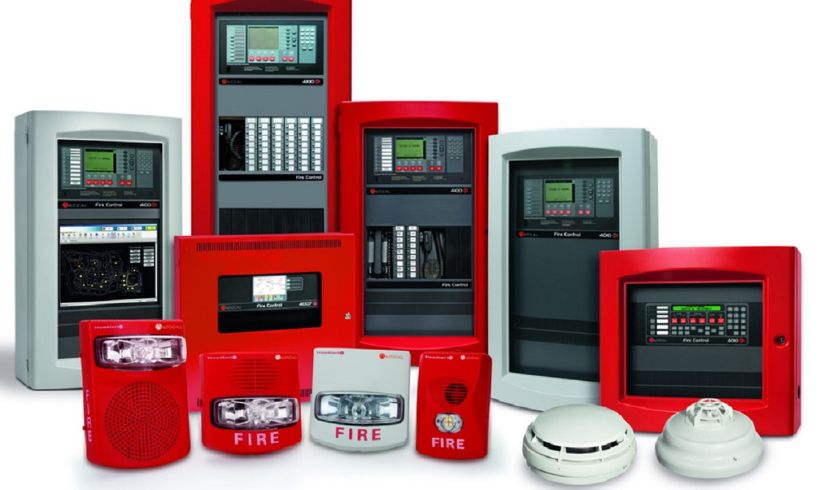
Fire alarm systems are integral components of modern building safety, designed to detect and alert occupants about the presence of fire or smoke in a timely manner. These systems play a crucial role in safeguarding lives and property by providing early warnings, enabling swift evacuation, and facilitating rapid response from emergency services. A typical fire alarm system consists of various interconnected elements, such as smoke detectors, heat detectors, manual pull stations, notification devices (like sirens and strobe lights), and a central control panel.
The operation of a fire alarm system involves the detection of abnormal conditions indicative of a fire. Smoke detectors use photoelectric or ionization methods to sense smoke particles, while heat detectors monitor temperature changes. When a device detects a potential fire, it sends a signal to the central control panel, which then activates the alarms and alerts occupants. Advanced fire alarm systems can also integrate with building management systems, enabling remote monitoring and control. Regular maintenance and testing are essential to ensure the system’s reliability, as malfunctioning components could lead to delayed responses in critical situations. By promptly detecting fires and initiating effective response measures, fire alarm systems contribute significantly to reducing fire-related casualties and property damage.
Whether in residential, commercial, or industrial settings, the presence of a well-maintained and up-to-date fire alarm system is a crucial aspect of safety planning. These systems provide the necessary tools to minimize the impact of fires by detecting them early, alerting occupants, and enabling timely interventions that can prevent disaster.